在中国的政治话语中,“综合国力” 指一个国家在经济、军事、科技和社会影响力等方面的力量总和。官方文件中最标准的英译是 “Comprehensive National Power” (CNP)。
但这个翻译对英语母语者来说自然吗?美国总统会把国力称为 “comprehensive power” 吗?还是说有更好的词,比如 “composite”?
利用中国政治语料库并与美国总统语料库进行对比,我们进行了一次以数据为基础的分析。
首先看源头。“综合国力”自90年代以来一直是中国政治报告的高频词。
历届党代会报告中的使用频率 (14大 - 20大)
| 届数 | 出现次数 |
|---|---|
| 14大 | 4 |
| 15大 | 7 |
| 16大 | 5 |
| 17大 | 4 |
| 18大 | 4 |
| 19大 | 3 |
| 20大 | 3 |
数据来源:本地语料库分析
该词的使用在十五大期间达到顶峰,之后保持稳定,常与“增强”(enhance)、“位居”(rank)、“同…国际地位相匹配”(matching international status) 等词搭配。
虽然学术界普遍引用 “Comprehensive National Power”,但分析党代会报告的官方英译本,我们发现了不同的早期译法。
我们要检索了语料库中十六大和十七大报告的英文版:
- 十六大报告 (江泽民): 使用了 “overall national strength” (5次匹配)。
“…Competition in overall national strength is becoming increasingly fierce…”
- 十七大报告 (胡锦涛): 使用了 “overall national strength” (2次匹配)。
“…crucial link in enhancing the overall national strength…”
这表明 “Overall National Strength” 曾在一段时期(2000年代初)是官方首选译法。后来标准化为 “Comprehensive National Power” (CNP) 似乎更多是受学术界影响或后期的统一规范。“Overall” 强调“总和”,而 “Comprehensive” 强调“无所不包”。这种摇摆反映了翻译“综合”二字的困难——到底是指 Sum (总数) 还是 Scope (范围)?
近年来,官方译文中出现了一个明显的转向:开始使用 “Composite National Strength”。
- 证据:
- 二十大报告:使用了 “leads the world in terms of composite national strength and international influence.”
- 军事语境:政策文件中出现 “Composite Military Force” 来描述合成部队。
- 外交部发言:近期简报中多次提及 “composite national strength” 达到新高度。
这证实了北京翻译机构的一种文体转变。为什么? 很可能是因为 “Composite” 在技术上更精准地捕捉了“聚合”的构成义——暗示这是一个由经济、军事、文化等部分组装而成。然而,这种科学上的精准带来了交际上的代价,译文实际上离目标受众的政治词典越来越远。
这个概念对应到美国政治现实中是怎样的?我们在 美国总统语料库 中搜索了相关短语。
调查结果:
- “Comprehensive Power”: 0 次。
- “Composite Power”: 0 次。
- “National Power”: 5+ 次 (变体众多)。
当美国总统谈论这个概念时,他们只说 “National Power”。
“Republicans will use all tools of National Power to protect our Nation’s Critical Infrastructure…” — 2024 Republican Party Platform
“…employ all elements of national power to strengthen extended deterrence.” — Donald J. Trump, 2017
“…harnessing all elements of national power…” — Joint Statement, 2017
在英语实践中,“Comprehensive” 或 “Composite” 这样的修饰语很多余。“National Power” 本身就隐含了国家能力的整体性。
我们还发现,美国政治家几乎不觉得需要把国力称为 “comprehensive”。相反,他们关注的是动作。
- “All elements of…” (所有要素):当他们想强调“综合”属性(军事+经济+外交)时,他们使用 “all elements of” 这个短语。
- Obama (2015): “…draws on all elements of our national strength…”
- Trump (2017): “…harnessing all elements of national power…”
- “Renewing” 和 “Rebuilding”:
- Biden (2021): “…renewing our national strength…”
- “Source of…”:
- Reagan (1984): “My definition of national strength is to make certain that a dollar spent buys us a dollar’s worth of defense.”
为了理解为什么 “Composite National Strength” 听起来有“外语感”,我们需要回到这个词在英语世界的原生语境。
小的时候,无论玩游戏还是看录像,红白机、放像机、VCD机都要拖一条三色线。那时候不知道那叫什么,只知道有的颜色插视频,有的颜色插音频。后来才知道,那根传输视频信号的线,在英文里就叫 Composite Video Cable(分量视频线)。
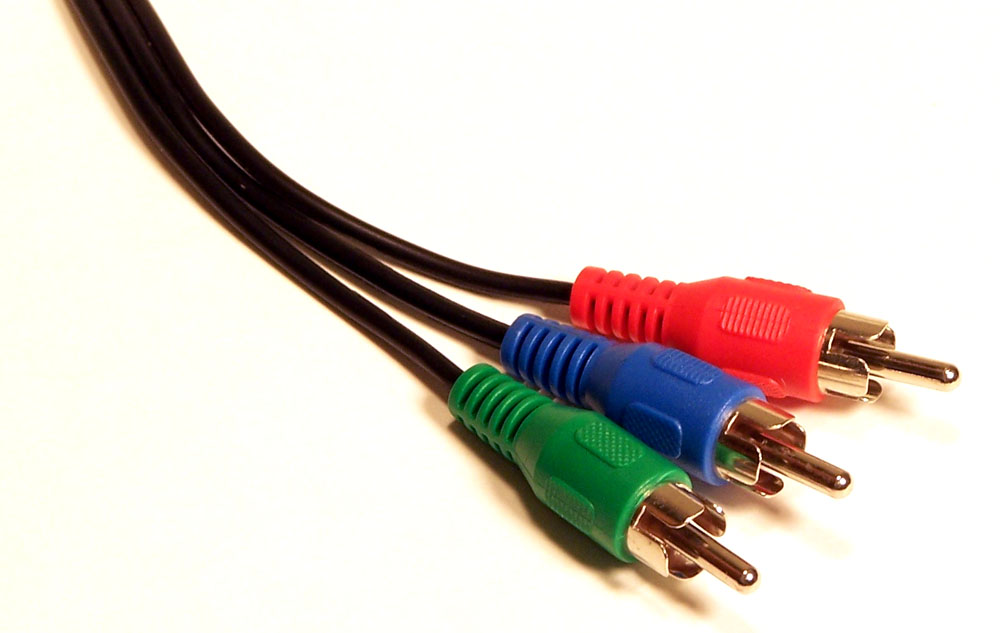
原来 “Composite” 这个词在现代英语中最强烈的指向是技术的、物理的、组装的。
这就解释了为什么在总统语料库中,“Composite” 绝大多数时候都用来修饰 Materials (材料):
- Airplaine composite materials (飞机复合材料)
- Composite volcanic field (复合火山区,地质术语)
用这样一个充满“工程塑料味”或“电子元件味”的词来修饰“国力”,会给英语听众一种奇怪的错位感——仿佛国力是可以像乐高积木或三色线一样物理拼接的。
当然,在极少数情况下,美国总统确实在政治语境下用过 “Composite”。
-
威尔逊 (Woodrow Wilson) 在1913年的就职演说中说:
“We are a composite and cosmopolitan people. We are of the blood of all the nations that are at war.” (我们这个民族兼容并蓄,天下一家。我们与每一个参战国都血脉相连。)
-
尼克松 (Richard Nixon) 在1972年的国家传统日公告中呼吁:
“I call upon all Americans to reflect upon the composite vitality, enthusiasm and tenacity of the many separate peoples who have built our beloved country…” (我号召全体国民共同感悟多元活力……)
在这里,Composite 的意思是“大熔炉” —— 指不同种族、不同来源的人混合在一起。强调的是 Diversity (多样性) 和 Unity from Many (合众为一),而不是 Power (力量) 的拼接。
还是回到词典。如果必须用一个词来翻译“综合”,选哪个?
词典定义 (Chambers)
- Comprehensive: “Having the power to understand; extensive; inclusive; covering much or all.” (广泛的,包含一切的)
- Composite: “Made up of parts or elements; a composite thing.” (合成的,由部件组成的)
“综合国力”的中文原意确实强调多种因素的结合。在技术层面上,“Composite” 也许更接近“由各部分组成”的结构含义。
然而,通过上文的分析我们可以看到:
- Comprehensive 在政治上常用于 Policies (Comprehensive reform, comprehensive plan),暗示宏大的规划。
- Composite 在现代多用于 Materials (技术组装),在特定语境下用于 People (种族混合)。
两者都没有“国家综合力量”的含义。
综上所述,我们试图寻找一个完美的英文词,但也许徒劳无功。这一翻译困境的根源,在于“综合国力”本身独特的双重内涵:
- 分量 (Components):强调构成国力的各个方面,比如科技实力、国防实力、文化影响力等。
- 整体 (Synergy):强调各要素协同产生的“整体实力”。
官方译法在这三者之间摇摆,实际上是在寻找一个并不存在的英语对应物:
- Overall 强调了“整体”;
- Composite 强调了“分量”;
- Comprehensive 貌似是折中。
但问题在于,这三者都不属于道地的英语政治表达。由于国家发展历程的不同,英语(尤其是美语)中没有完全对应的说法。美国作为存量大国,其“国力”往往被视为一个整体的、默认的存在;而中国作为发展中大国,需要“综合”这一概念来统筹兼顾、量化发展。
英语中缺位的不是单词,而是“将国家力量拆解再相加”的这种特定思维模式。
结语
“Comprehensive National Power” 是一个典型的翻译新词 (neologism),特指中国政治话语中的概念。这个词并不存在于自然的英美政治英语中——那里的人们只说 “National Power”。
近期向 “Composite National Strength” 的转向,虽然在字面定义上追求了更“科学”的对应(对应 CINC 指数),但可能陷入了新的误区:
- 容易让现代听众联想到复合材料或技术组件(如三色线)。
- 即使在政治修辞中,传统上也指“种族融合”而非“力量总和”。
对于译者而言,坚持使用 “Comprehensive National Power” (或者回归早期的 “Overall National Strength”) 也许是更稳妥的选择,或者,我们可以更大胆一点,直接使用 “National Power” 并辅以上下文说明。
图片来源说明:
- Content: Component video cable with 3 RCA connectors.
- Author: Larry D. Moore
- Source: Wikimedia Commons
- License: © 2006 Larry D. Moore. Licensed under CC BY 4.0.
- Attribution: Larry D. Moore, CC BY 4.0, Wikimedia Commons.
